Apple picking in the Midwest is one of those timeless autumn traditions that usually involves a heavy sweater, crisp air, and leaves crunching underfoot. But when Mother Nature and local weather patterns refuse to cooperate, sometimes you just have to pack up the car and drive across state lines to find what you are looking for.
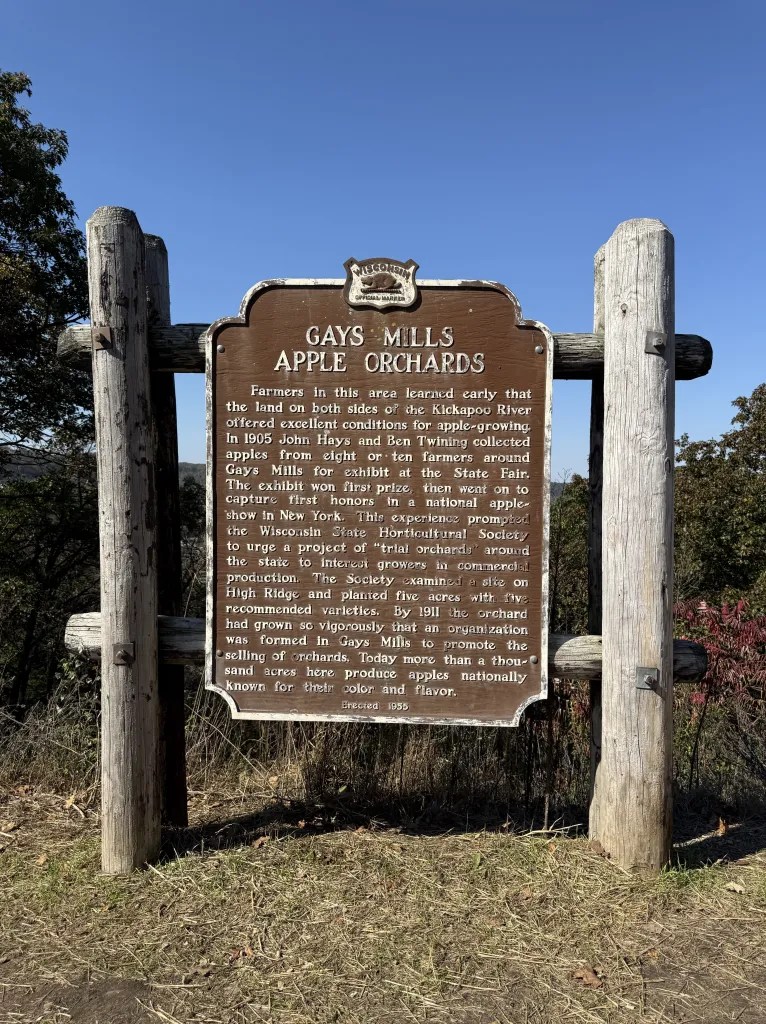
That is how my family and I ended up heading north to 1913 Kickapoo Orchards in Gays Mills, Wisconsin, nestled near the Mississippi River. The trees had not quite figured out that autumn was officially here yet, courtesy of some lingering unseasonal warmth, but the entire area was breathtaking anyway. Wandering through the rows in balmy eighty-degree weather with a breeze reminded me why we carve out this time every year.
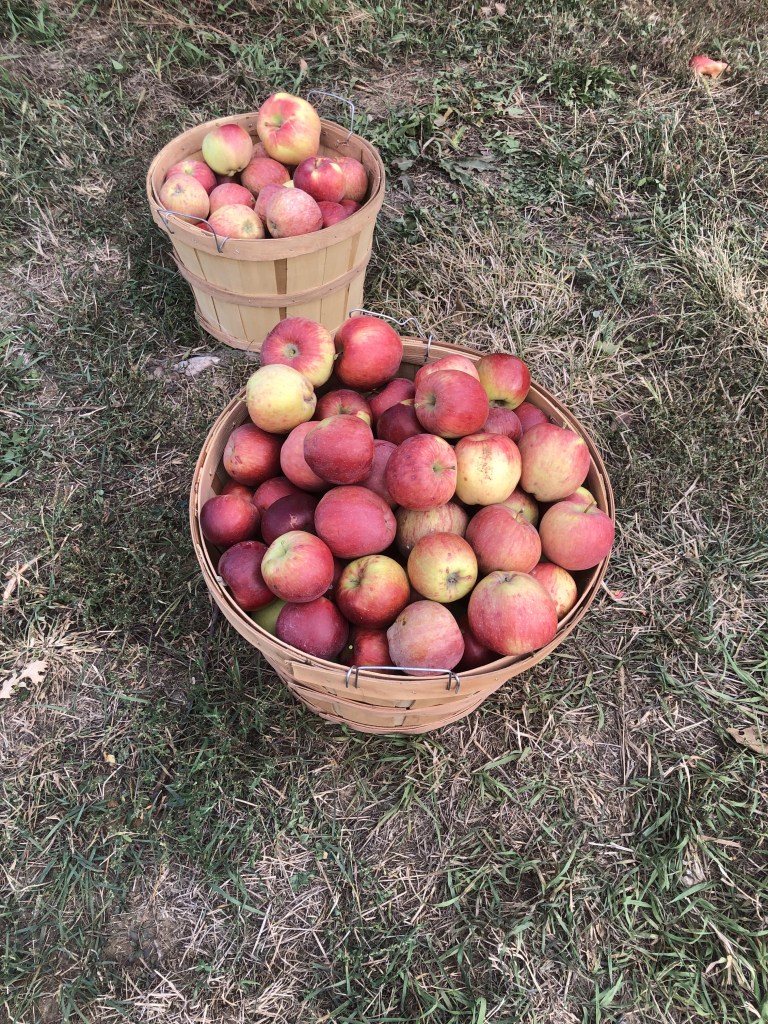
And then I found it. The orchard has its own proprietary variety called the Kickapoo Spice, and it is an absolute game changer. The flesh is stark white, the flavor balances sweet and tart with a distinct hint of cinnamon, and walking away with a forty-pound bushel felt like hitting the jackpot.
Sitting with that massive haul of apples later in the week, it became hard not to see the parallels between those lumpy, varied orchard finds and the young people who walk through our virtual classroom doors every single day.
Apples never come out of the orchard looking like they were stamped out by a factory machine. Some are scarred by a late frost, some grew crooked because a branch was blocking the sun, and others are brilliantly red on one side while staying stubbornly green on the other. Yet every single one of them holds a distinct character and a flavor entirely its own.
Our students arrive in much the same way. They bring diverse shapes, unexpected sizes, and an entire atmosphere built around their unique skills and lived experiences. Some carry the heavy weight of a reading struggle, working twice as hard just to decode the text in front of them while wondering if everyone else noticed the stumble. Others might view the world strictly through their own lens, defensive or unyielding because they have not yet learned how to step outside their own immediate perspective.
It is easy to measure students by a uniform standard, grading them like produce on a conveyor belt for blemishes and symmetry. But true teaching requires looking past the rough edges. When a student struggles with literacy, the difficulty does not erase their inherent value; it simply asks us to slow down and appreciate the complexity of their journey. When a teenager sees the world only through the narrow window of their own ego, teachers have to step in with a double dose of wisdom and empathy, remembering that adolescence is a messy growing season for everyone.
Behind every frustration and every mismatched assignment is a kid who brings immense joy to the people around them. They make us laugh in the middle of a tedious lesson, surprise us with insights we never anticipated, and remind us why we signed up for this work in the first place.
That is where artificial intelligence must draw a hard line. An algorithm can analyze sentiment, sort data points, and generate a perfectly structured rubric in seconds. It can track reading lexiles and flag behavioral patterns with cold precision. But it will never stand in an orchard, feel the unexpected warmth of an October breeze, and look at a bushel of uneven, imperfect apples with genuine affection.


Leave a Reply