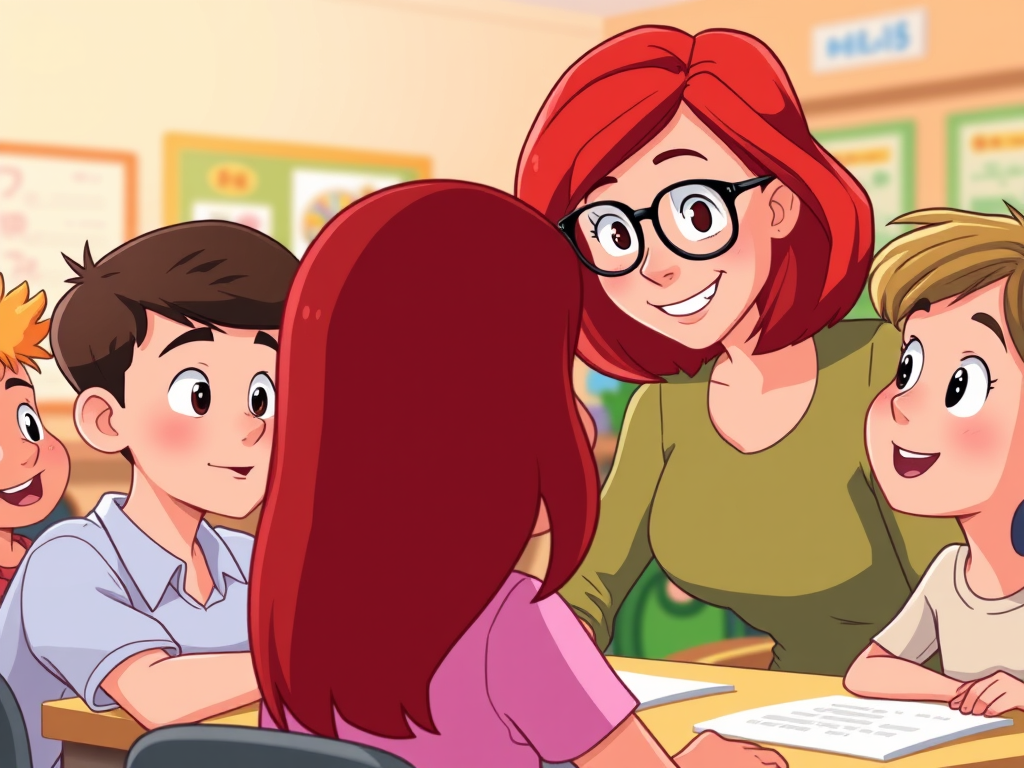
This week marks my 29th year as a public school educator. I’ve taught in classrooms across both Illinois and Iowa, and over nearly three decades, I’ve seen educational trends rise, fall, and come back around with new packaging. I’ve navigated changes in curriculum, policy, technology, testing, and leadership. Some of those changes have improved our work. Others have made it harder. But through it all, one thing has remained constant: the students.
The students are the reason I show up. They are the reason most teachers do. We do this work not for the accolades or the trendy initiatives or even the baked goods that show up in the lounge once a year. We do it because students matter. Their growth, their challenges, their laughter, and their potential. So, when Teacher Appreciation Week rolls around, I find myself reflecting not on the extra snacks or themed days, but on what real appreciation could and should look like.
Let me start with this: I am grateful when someone takes time to say thank you. A heartfelt note from a student or parent means the world. It’s meaningful when someone pauses to acknowledge the work we do, not just the visible parts, but the emotional labor, the planning, the endless decision-making that goes into every single day. I’ve saved some of those notes over the years. They remind me why I started.
But one week of cupcakes and clever bulletin boards isn’t enough. If we, as a society, truly want to appreciate teachers, we need to look beyond performative gratitude and toward structural respect. We need to talk about agency, voice, and compensation.
Agency means trusting teachers as professionals. It means allowing educators the space to make decisions for their students, based on their experience and expertise. Too often, teachers are handed mandates without input or are forced into rigid curriculum pacing that leaves no room for creativity or context. Real appreciation means saying, “We trust you,” and then acting accordingly. It means honoring the knowledge and skill teachers bring to the job, not second-guessing them with prescriptive tools or micromanagement.
Voice goes hand in hand with agency. When teachers are given a seat at the table, whether it’s in school decision-making, policy development, or curriculum planning, we all benefit. Teachers are on the front lines. We know what’s working and what’s not. Including our voices leads to better outcomes for everyone, especially students. Appreciation that stops at the surface ignores the valuable insights that teachers carry every day. We need to be heard, not just thanked.
And finally, compensation. If we truly value educators, then we need to pay them accordingly. Teachers are often asked to do the impossible with limited resources, stagnant wages, and ever-expanding responsibilities. I’ve known too many dedicated professionals who left the classroom, not because they stopped caring about students, but because they couldn’t afford to stay. Candy and donuts don’t pay the bills. Respect means ensuring that teaching is a sustainable, respected career, not a sacrificial calling.
I don’t want to sound ungrateful. I know that many parents, students, and community members truly mean well when they participate in Teacher Appreciation Week. And I’ll always welcome kind words or handwritten notes over store-bought sweets. But if we want to move beyond a week of appreciation and toward a culture of sustained respect, we need to shift our focus.
Appreciation isn’t a themed calendar event. It’s a commitment. It’s about creating the conditions that allow teachers to thrive so students can thrive. That means adequate funding, class sizes that make sense, policies grounded in pedagogy, not politics, and leadership that listens.
As I move through this 29th year of teaching, I’m proud of what I’ve done and who I’ve become. I’ve taught hundreds of students, collaborated with countless colleagues, and stayed through waves of change that have reshaped our profession. But what has never changed for me is the why. The students are always the why.
So, this Teacher Appreciation Week, I’m asking for something bigger than donuts. I’m asking for respect, voice, agency, and fair pay. Not just for me, but for all the educators out there who continue to show up, year after year, with care in their hearts and students on their minds.
Because real appreciation doesn’t come in a gift bag. It comes in action.
 Paula Johnson Tech
Leave a comment